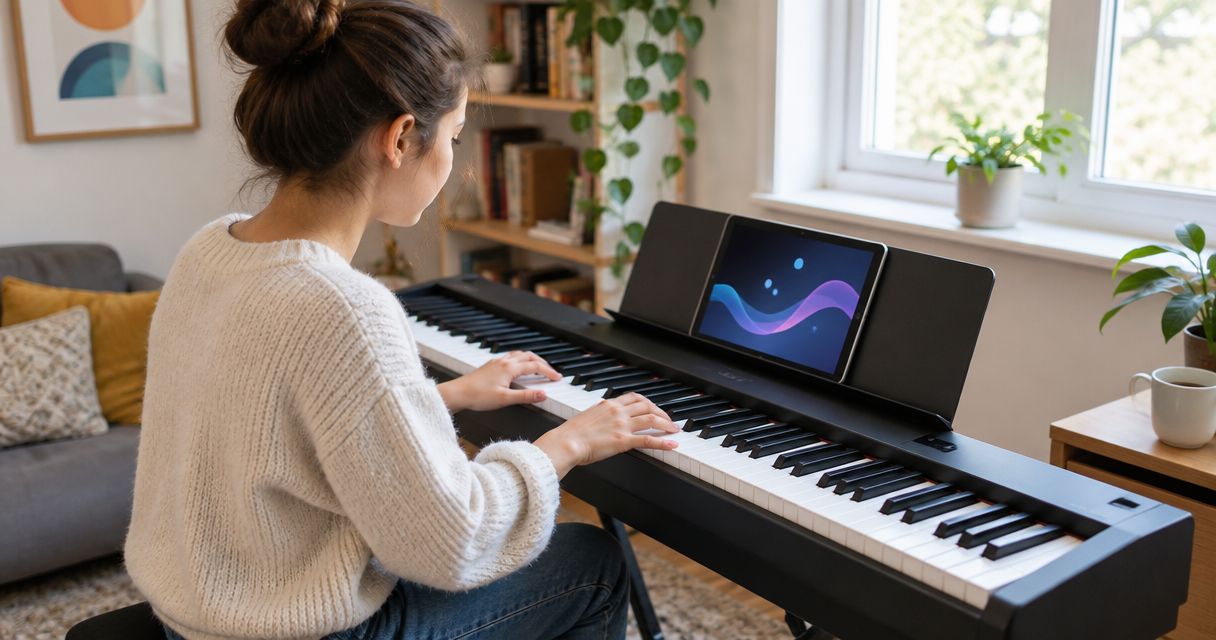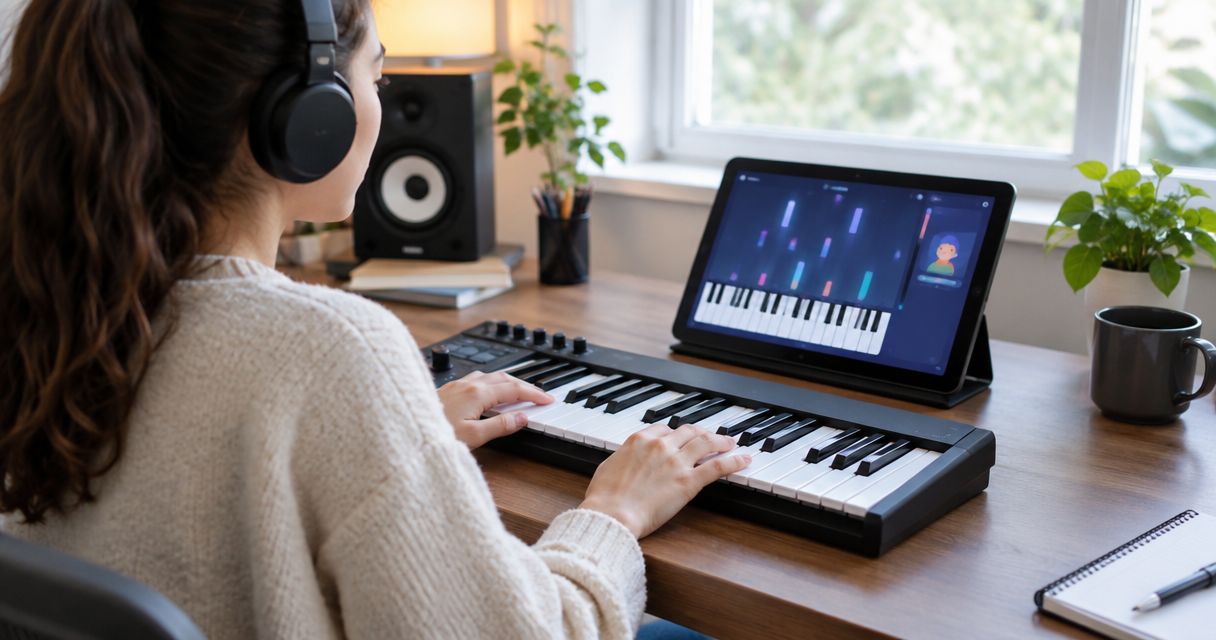
Best overall for a beginner who already has a compatible keyboard: Piano LED Plus 2026. Best for someone without an instrument: a digital piano. Best simple gift: a beginner piano book. This guide compares the best piano gifts for beginners in 2026, including the light-guided learning approach offered by Pianoledshop.
- Piano LED Plus 2026 belongs among the best piano gifts for beginners who want light-guided song practice.
- A digital piano is the first choice when the beginner does not own an instrument.
- Choose lessons for feedback, a bench for seating, and headphones for private practice.
- Check instrument compatibility before buying any electronic accessory or learning system.
Why this matters
A piano gift should solve the beginner's next problem, not add another object beside the keyboard. Someone without an instrument needs a different gift from someone who owns one but struggles to start a song.
Match the gift to the obstacle: equipment, guidance, seating, sound, reading, or timing. For your 2026 gift shortlist, that distinction matters more than choosing the most elaborate package.
What makes the best piano gifts for beginners
- Immediate relevance: The recipient can explain what the gift helps them do. Avoid accessories for a problem they do not have.
- Instrument fit: Electronic learning systems and headphones need compatible equipment. Confirm the exact keyboard model before choosing them.
- Learning preference: Light guidance, written music, and personal instruction support different ways of practising. Choose the format the beginner wants to use.
- Physical setup: A keyboard needs a practical place to play. Seating and available room deserve the same attention as the instrument.
- Ongoing demands: Apps, lessons, and electronic accessories involve setup or continued participation. Check what the recipient is willing to manage.
- Useful independence: A good learning gift helps the player understand what they are doing, rather than simply follow instructions without listening.
Piano gifts at a glance
| Gift | Best for | Standout function | Key limitation |
|---|---|---|---|
| Piano LED Plus 2026 | Song-first learners with a compatible instrument | Lights synced to an app guide song playing | Compatibility needs checking; lights do not explain every musical skill |
| Digital piano | Beginners without an instrument | Provides the keyboard needed for regular playing | Needs room and careful specification checks |
| Piano lessons | Beginners seeking personal feedback | An instructor responds to the learner's playing | Requires scheduling and participation |
| Adjustable piano bench | Players struggling with seating | Lets the player adjust sitting height | Does not fix an unsuitable keyboard position |
| Headphones | Players sharing a room or home | Allow private listening on suitable instruments | Need a compatible output; volume still matters |
| Beginner piano book | Learners who want written structure | Organises music-reading and playing exercises | Cannot listen or correct mistakes |
| Metronome | Learners working on a steady pulse | Supplies a regular timing reference | Does not explain notes, fingering, or phrasing |
1. Piano LED Plus 2026: best for song-first learners
Piano LED Plus 2026 is a light-guided learning system for hobbyist and beginner piano players. Lights synced to an app guide the player through songs, making it a relevant gift for someone who wants visual direction at the keyboard.
Pianoledshop's Piano LED Plus 2026 is best for beginners who want to practise songs by following app-synced lights. Choose this gift around that preference, not around an assumption that every beginner wants the same learning method.
Piano LED Plus 2026 pros:
- Gives the learner a visual cue for song practice.
- Connects the learning activity directly to the keyboard.
- Matches a song-focused hobbyist's stated goal.
Piano LED Plus 2026 cons:
- Requires compatibility checks before you choose it for an existing instrument.
- Light guidance is not a substitute for individual feedback on posture, tension, or musical expression.
Best for: A beginner who owns a suitable instrument and specifically wants guided song practice.
Ask for the recipient's keyboard model before buying. Also establish whether they want to use an app during practice; that is part of the approach, not an incidental detail.
Verdict: Buy for a confirmed light-guided learning preference; wait until compatibility is checked.
2. Digital piano: best for beginners without an instrument
A digital piano addresses the most basic obstacle: having something to play. For a recipient starting from nothing, choose the instrument before adding learning accessories.
A standard full-size piano keyboard has 88 keys. A 61-key keyboard has a narrower range; that difference deserves attention, but key count alone does not establish how the keys feel or whether the instrument suits the recipient's lessons.
Digital piano pros:
- Gives the beginner a dedicated instrument for practice.
- Makes the gift relevant before accessories or teaching materials enter the picture.
- Lets you choose around the available room and the learner's goals.
Digital piano cons:
- Requires space for both the instrument and the player.
- Key action, connections, and included accessories need checking for the exact model.
Best for: Someone who wants to learn but does not own a keyboard or piano.
If you are comparing a full-range instrument for a 2026 gift, use the guide to 88-key digital pianos for beginners as your next shortlist. Confirm the manufacturer's specifications rather than assuming that similar model names mean similar equipment.
Pianoledshop lists instrument-and-learning bundles, including the options below. Treat them as candidates to investigate, not as interchangeable instruments: check each bundle's contents and the keyboard's specifications before choosing.


Verdict: Buy an instrument first when the recipient has nothing to practise on.
3. Piano lessons: best for personal feedback
Piano lessons give the beginner something a physical accessory cannot: a person who responds to their playing. An instructor can address hand position, note reading, rhythm, and the learner's questions.
The recipient's agreement matters. Lessons are an activity to participate in, not a present that works simply because you hand it over.
Piano lessons pros:
- Provide feedback based on the student's actual playing.
- Allow questions about confusing passages or technique.
- Give the learner an agreed direction for practice.
Piano lessons cons:
- Require a schedule the recipient can maintain.
- Depend on a teaching approach that suits the learner.
Best for: A beginner who wants guidance and is willing to work with an instructor.
Ask whether the recipient prefers in-person or online instruction before choosing a teacher. For a child, involve the adult who will organise attendance; for an adult, avoid committing their calendar without permission.
Verdict: Buy with the recipient's agreement; skip the surprise booking.
4. Adjustable piano bench: best for an awkward seating setup
An adjustable piano bench lets the player change sitting height relative to the keyboard. It is a practical gift when the recipient's current chair leaves them struggling to find a comfortable playing position.
Check the whole setup, not just the seat. A bench cannot correct a keyboard placed on an unsuitable surface.
Adjustable piano bench pros:
- Allows sitting height to be adjusted.
- Gives the player seating dedicated to the instrument.
- Addresses a physical setup issue without adding another learning interface.
Adjustable piano bench cons:
- Needs space beside the instrument.
- Does not independently correct posture or keyboard height.
Best for: A learner whose existing chair is a clear obstacle to comfortable playing.
Ask the recipient to show you their practice position before choosing a bench. Look at the relationship between the seat, keyboard, and feet rather than selecting furniture on appearance alone.
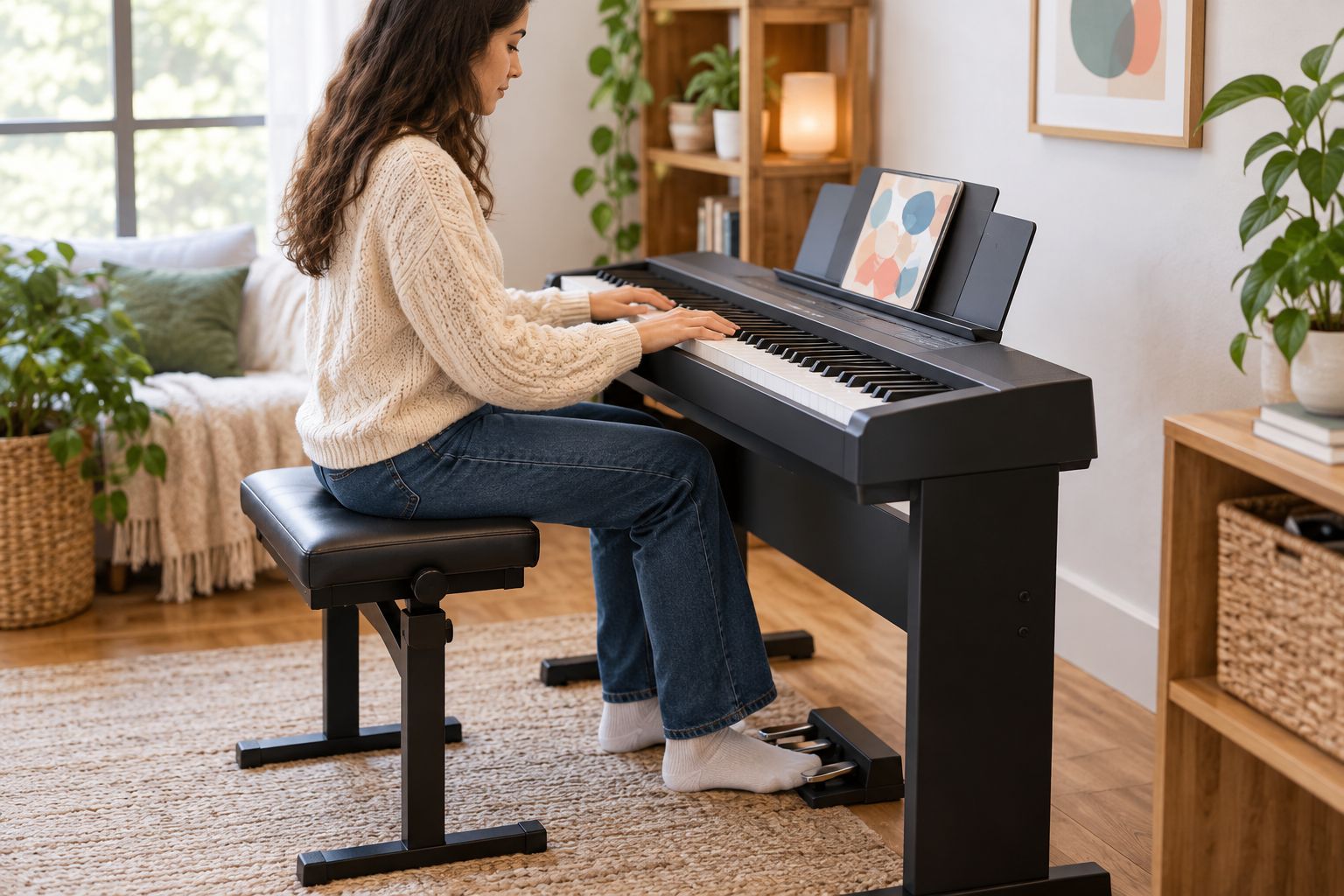
Verdict: Buy when seating is the problem; skip when the existing setup already works.
5. Headphones: best for private practice
Headphones let a player listen privately when their digital instrument supports headphone output. They are a focused gift for someone who shares a room or wants to practise without playing through speakers.
An acoustic piano does not gain private listening simply because you buy headphones. Establish what instrument the recipient owns first.
Headphones pros:
- Support private listening on a compatible digital instrument.
- Let the player hear the instrument without using its speakers.
- Serve a clear purpose in a shared practice space.
Headphones cons:
- Need the correct connection for the instrument.
- Require sensible listening volume and a comfortable fit.
Best for: A digital-keyboard player whose main obstacle is sound in a shared home.
Check the instrument's output and the headphone connector together. Do not assume that wireless headphones will connect just because the keyboard has another wireless function.
Verdict: Buy after confirming the audio connection; skip for an unmodified acoustic piano.
6. Beginner piano book: best for written structure
A beginner piano book gives the learner written exercises and pieces to work through. Choose a method intended for their age and starting level, not a song collection selected only because you recognise the titles.
A book is the simplest recommendation when the recipient wants to learn notation without adding electronic setup. It still needs to match how they are learning.
Beginner piano book pros:
- Provides material the learner can revisit directly on the page.
- Supports a structured introduction to reading and playing.
- Does not require app or instrument connectivity.
Beginner piano book cons:
- Cannot hear mistakes or provide personal corrections.
- Can conflict with an instructor's chosen sequence if selected without consultation.
Best for: A beginner who likes written explanations and wants to read music.
If the recipient already has a teacher, ask which book follows their current work. For an independent learner, inspect the opening pages: the instructions should make sense before the musical difficulty increases.
Verdict: Buy a level-appropriate method book; skip an advanced songbook chosen for its cover.
7. Metronome: best for steady-pulse practice
A metronome supplies a regular pulse against which the player can check timing. It is a useful supporting gift when the learner understands the notes but struggles to keep the beat steady.
In common time, a bar contains 4 quarter-note beats. A metronome marks the pulse; the player still needs to understand how the written rhythms fit within it.
Metronome pros:
- Makes a steady timing reference audible.
- Separates pulse practice from learning new notes.
- Works as a focused accessory rather than a complete teaching system.
Metronome cons:
- Does not teach fingering, note reading, or musical expression.
- Can duplicate a metronome function the player already uses.
Best for: A beginner who has identified timing as a specific practice problem.
Check whether the instrument or learning app already provides a metronome. A separate device earns its place when the recipient wants a dedicated control, not merely because it looks musical.
Verdict: Buy for an identified rhythm need; skip a duplicate the recipient will not use.
How these gifts are ranked
This 2026 ranking follows the criteria above: immediate relevance, instrument fit, learning preference, physical setup, ongoing demands, and useful independence. It ranks distinct uses rather than pretending a bench and a learning system solve the same problem.
Pianoledshop's piano learning system leads for song-first visual guidance. A digital piano takes priority when there is no instrument, while lessons lead when the beginner wants personal correction.
Which piano gift should you choose?
Choose Piano LED Plus 2026 for a beginner who wants light-guided songs and has confirmed compatible equipment. If you cannot establish those conditions, choose around the recipient's existing setup instead of guessing.
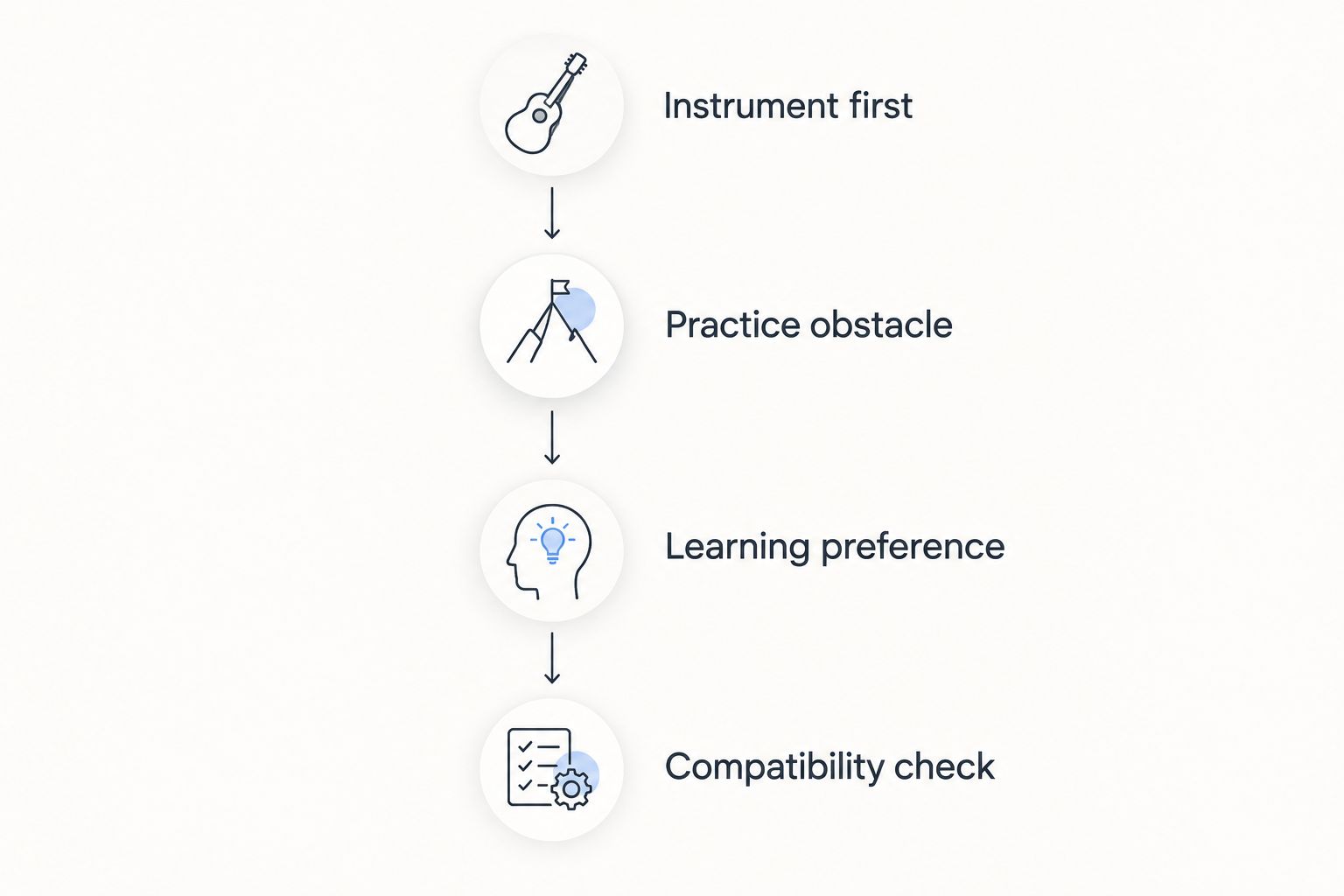
Use this order for your 2026 decision:
- Instrument first: Does the recipient have something suitable to play?
- Practice obstacle: Is the problem guidance, seating, sound, reading, or timing?
- Learning preference: Does the recipient want lights, written material, or an instructor?
- Compatibility check: Does the chosen gift fit the instrument and practice space?
For an undecided buyer, ask what currently stops the recipient from practising. That answer gives you a stronger recommendation than choosing the gift with the longest feature list.
FAQ
What's the best piano gift for a complete beginner?
A digital piano is the first choice if the beginner has no instrument. If they already own one, choose a gift that addresses their next obstacle, such as guidance, seating, or private listening.
Is Piano LED Plus 2026 a good gift for a beginner?
Piano LED Plus 2026 fits beginners who want to learn songs by following lights synced to an app. Confirm compatibility with the recipient's instrument and their interest in app-guided practice before choosing it.
Should I give piano lessons or a learning system?
Choose lessons for personal feedback and a learning system for the guidance format the recipient prefers. Ask whether they want scheduled instruction or app-supported song practice rather than treating the gifts as interchangeable.
Do beginner piano players need 88 keys?
Beginners do not need all 88 keys for every introductory exercise, but 88 keys provide the standard full piano range. Choose key range alongside key action, room, and the requirements of their intended lessons.
Are headphones a suitable gift for an acoustic piano player?
Headphones alone do not provide private listening on an ordinary acoustic piano. They suit a digital instrument with a compatible headphone output, so check the recipient's equipment first.
What piano gift avoids electronic setup?
A level-appropriate beginner piano book avoids app and instrument connectivity. An adjustable bench also avoids electronic setup, but it should address a real seating need.
What should I check before buying a piano gift in 2026?
Check the recipient's instrument model, current accessories, learning preference, and available practice space. For electronic gifts, confirm the exact connections and compatibility rather than relying on the general instrument category.
One last thing
A duplicate feature is not automatically a useful gift. The keyboard or app might already supply the metronome or guidance the beginner needs; ask the recipient to show you what they actually use.
The best surprise is the gift choice, not an unexpected compatibility problem. Get the instrument model first, then keep the present itself a surprise.